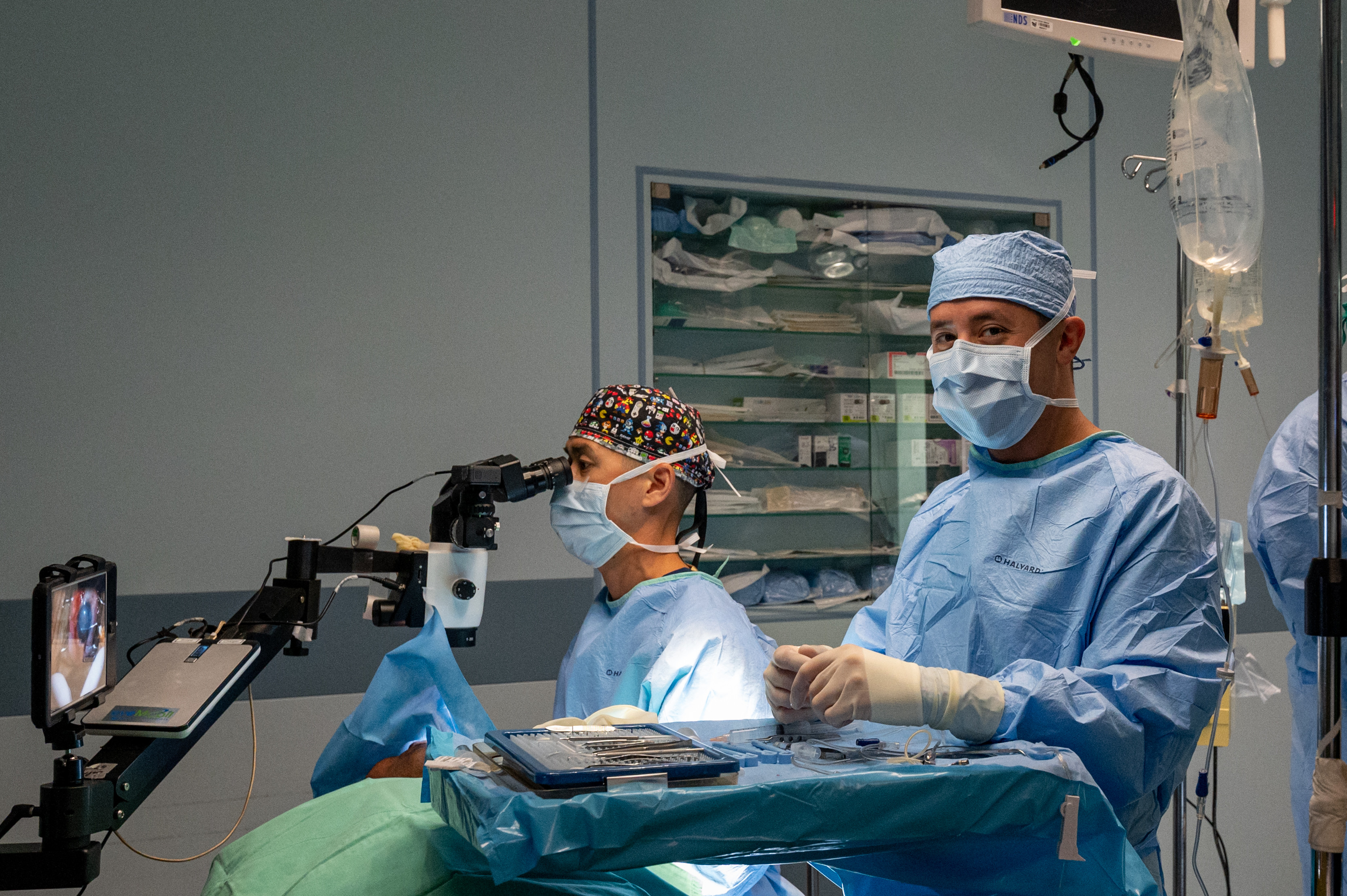
The path to clearer eyesight via cataract surgery is an incredible medical advancement, but it is not accomplished by one person alone. It is a collaborative effort orchestrated by a team of highly skilled and dedicated cataract surgery professionals. Understanding the roles of these experts can provide great confidence and clarity as you prepare for your procedure. From the first evaluation to the last follow-up visit, every person on this team fulfills a crucial role in guaranteeing your security, ease, and best possible eyesight result.
At the helm of your care team is the ophthalmologist, who is a medical doctor specializing in eye and vision care. Not all ophthalmologists are surgeons, and those who perform cataract surgery have undergone years of additional, subspecialty training in this complex procedure. This doctor is finally accountable for your assessment, for carrying out the precise surgery itself, and for overseeing your complete care strategy. They will direct the essential pre-surgical conversations about your eyesight objectives and the choice of your artificial lens, or IOL. Your confidence and relationship with your ophthalmologist are the foundations of a positive surgical journey.
Working directly alongside the surgeon is a team of specialized surgical assistants and nurses. These professionals are the backbone of the operating room, ensuring that every detail of the procedure flows smoothly and safely. They set up the operating theater with clean tools, aid the doctor by providing them with specific devices, and watch your health metrics during the procedure. Their calm and competent presence is invaluable for maintaining a controlled and efficient environment, allowing the surgeon to focus entirely on the precision of the surgery.
Another essential specialist you will meet is the ophthalmic imager or imager. These team members are accountable for performing the series of exact measurement exams that are necessary before the operation. They will skillfully use advanced technology to calculate your axial length, chart the surface of your cornea, and examine for other eye issues. The precision of their work is critical, as the information they gather is utilized to determine the proper strength for your new artificial lens. Without their accurate calculations, attaining the intended eyesight result would be unachievable.
Prior to and following your procedure, you will probably spend considerable time with a patient counselor or coordinator. This professional handles the administrative and educational aspects of your care. They will lead you click through the following document the planning process, describe pre-surgical and post-surgical directions thoroughly, and talk about the payment elements of your operation. They are an excellent source for addressing your practical questions and guaranteeing you feel ready and knowledgeable at each stage.
The cooperative character of this group means that you are backed by a system of proficiency committed to one objective: your effective return of sharp eyesight. Every specialist, from the ophthalmologist to the assistant, contributes a distinct and necessary ability to your treatment. Having faith in this collective method lets you approach your cataract procedure with the serenity of mind that you are in skilled, comprehensive care. The success of modern cataract surgery is a testament not just to advanced technology, but to the synchronized effort of these dedicated professionals.